Bile Duct Injury
Understanding Bile Duct Injuries and Their Treatment
A bile duct injury is an uncommon but serious complication that may occur during gallbladder surgery or, less commonly, after liver or bile duct operations. Early recognition and treatment by an experienced hepatobiliary surgeon can greatly improve long-term outcomes.
Bile duct injury is a recognised complication of gallbladder surgery. Most patients achieve excellent long-term outcomes when treated at a specialist centre.
Overview
What Is a Bile Duct Injury?
The bile ducts carry bile from the liver to the intestine. A bile duct injury occurs when one of these ducts is:
Most bile duct injuries occur during laparoscopic gallbladder removal (laparoscopic cholecystectomy), although they may also occur during other hepatobiliary procedures or abdominal trauma. Fortunately, they are uncommon.
Causes
Why Can Bile Duct Injuries Occur?
Many injuries occur despite careful surgery because anatomy can be altered by disease.
Severe Inflammation
Inflammation may distort the normal anatomy and make identification of the bile ducts more difficult.
Scar Tissue
Previous infections or surgery may make dissection more difficult.
Anatomical Variations
Some patients have unusual bile duct anatomy.
Difficult Gallbladder Disease
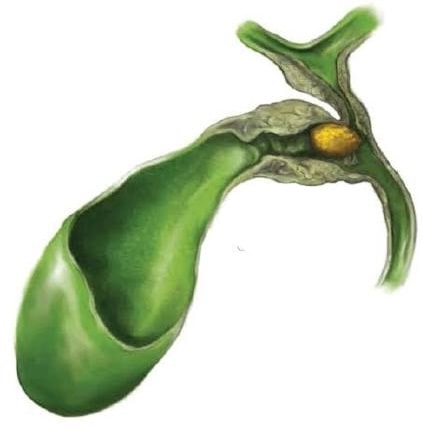
Conditions such as acute cholecystitis and Mirizzi syndrome increase surgical complexity.
Symptoms
Symptoms of Bile Duct Injury
Some injuries become apparent immediately after surgery, while others are diagnosed days or weeks later.
Classification
Types of Bile Duct Injury — Strasberg Classification
Treatment depends on the location and severity of the injury.
Bile Leak
Small leak from a minor bile duct.
Partial Injury
Part of the bile duct wall is damaged.
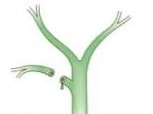
Complete Transection
The bile duct is completely divided.
Bile Duct Stricture
Scar tissue narrows the bile duct over time.
Diagnosis
How Is a Bile Duct Injury Diagnosed?
MRCP provides excellent visualisation of the biliary anatomy, while ERCP or percutaneous transhepatic cholangiography (PTC) may be used for diagnosis and treatment in selected cases.
Symptoms
Assessment of symptoms and surgical history
Blood Tests
Liver function tests, inflammatory markers, full blood count
Ultrasound
Initial detection of bile collections and duct dilatation
CT Scan
Assessment of collections, inflammation, and adjacent structures
MRCP
Magnetic resonance cholangiopancreatography — preferred study to define biliary anatomy
ERCP or PTC (when required)
For diagnosis and treatment in selected cases
Review by Hepatobiliary Surgeon
Specialist assessment to determine injury type and treatment plan
Individualised Treatment Plan
Personalised surgical plan based on injury type and location
Treatment
Treatment Options
Observation
Small bile leaks may heal with drainage and close monitoring.
ERCP
A temporary stent may be placed to reduce pressure within the bile ducts and allow small leaks to heal.
Percutaneous Drainage
Used to drain collections of bile or infection.
Bile Duct Reconstruction
The preferred treatment for major injuries. Usually performed using a Roux-en-Y hepaticojejunostomy.
Delayed Reconstruction
Sometimes the safest approach is to control infection first and perform reconstruction after inflammation has settled.
Surgical Indications
When Is Surgery Recommended?
Surgery is usually recommended when:
The timing of reconstruction is individualised based on the patient's condition and the extent of the injury.
Reconstruction
Bile Duct Reconstruction
During reconstruction, the damaged bile duct is bypassed by connecting the healthy bile ducts directly to a loop of the small intestine.
The goals are to:
Roux-en-Y Hepaticojejunostomy
The preferred surgical procedure for bile duct reconstruction in major injuries.
Treatment Pathway
The Journey After a Bile Duct Injury
Even after a serious complication, there is a structured, evidence-based treatment plan aimed at restoring bile flow, preserving liver function, and achieving good long-term quality of life.
Recognition of the Injury
Diagnosis of bile duct injury following surgery
Specialised Imaging
MRCP / ERCP / PTC to define injury type and location
Control of Bile Leak or Infection
Drainage of bile collections and infection control
Assessment by an HPB Surgeon
Specialist evaluation and treatment planning
Definitive Reconstruction (if required)
Hepaticojejunostomy to restore normal bile flow
Recovery and Long-Term Follow-up
Regular monitoring to ensure biliary health
Recovery
Recovery After Reconstruction
Regular follow-up is important because narrowing of the reconstruction may occur in a small number of patients and can often be managed successfully if detected early.
Diagnosis
Confirmation of injury type and location
Control of Infection (if present)
Drainage of bile collections and antibiotic treatment
Definitive Surgery
Bile duct reconstruction when required
Hospital Recovery
Post-operative monitoring, typically 5–10 days
Home Recovery
Gradual return to activity
Long-Term Follow-up
Regular monitoring of liver function and biliary health
Understanding the Condition
Understanding Bile Duct Injury
Does a bile duct injury always mean something went wrong during surgery?
No. Bile duct injury is a recognised complication of gallbladder surgery. Severe inflammation, scar tissue, unusual anatomy, and complex gallbladder disease can increase the risk even when surgery is performed carefully.
Can a bile duct injury be repaired successfully?
Yes. Most patients achieve excellent long-term outcomes when reconstruction is performed by an experienced hepatobiliary surgeon after careful assessment.
Should repair always be done immediately?
Not necessarily. In many cases, controlling infection, draining bile collections, and allowing inflammation to settle before reconstruction provides the safest and most durable result.
Will I need lifelong follow-up?
Long-term follow-up is recommended because a small number of patients may develop narrowing of the reconstruction over time, which can often be treated successfully if detected early.
Can I return to a normal life after treatment?
Most patients recover well after successful reconstruction and are able to resume normal daily activities, although the recovery period varies depending on the severity of the injury and the type of repair performed.
FAQ
Frequently Asked Questions
Why Early Referral Matters
Why Early Referral Matters
Patients treated in specialised hepatobiliary centres generally achieve better long-term outcomes.
Accurate Diagnosis
Precise identification of injury type and location
Advanced Imaging
MRCP, ERCP, and PTC in a specialist centre
Multidisciplinary Care
Integrated team of surgeons, radiologists, and gastroenterologists
Complex Biliary Reconstruction
Expertise in the most challenging bile duct reconstruction cases
Long-Term Follow-up
Regular monitoring for early detection of any stricture
Why Choose Us
Why Choose Prof. Walid Elmoghazy?
Senior Consultant in HPB Surgery
Academic and clinical expertise in liver, pancreas, and biliary surgery
Clinical Lead of Liver Surgery & Transplantation
Leadership in the most complex liver resection and transplantation procedures
International Fellowship Training
Specialised training in Japan, UK, Canada, and France
1,000+ Major HPB Procedures
Extensive experience in liver, pancreas, and biliary surgery
Expertise in Complex Biliary Reconstruction
Specialist expertise in bile duct injury repair and benign biliary disease
Advanced Bile Duct Injury Management
Advanced management of bile duct injuries and benign biliary disease
Multidisciplinary Hepatobiliary Care
Integrated multidisciplinary hepatobiliary care
Second Opinion
Request a Second Opinion
If you have been diagnosed with a bile duct injury or continue to experience symptoms after gallbladder surgery, an expert review can help determine the most appropriate treatment.
Recovering After Gallbladder Surgery?
If you have persistent abdominal pain, jaundice, bile leakage, or have been told you have a bile duct injury, specialised assessment can help guide the next steps in your treatment and recovery.
 Mirizzi Syndrome
 Gallstone Disease
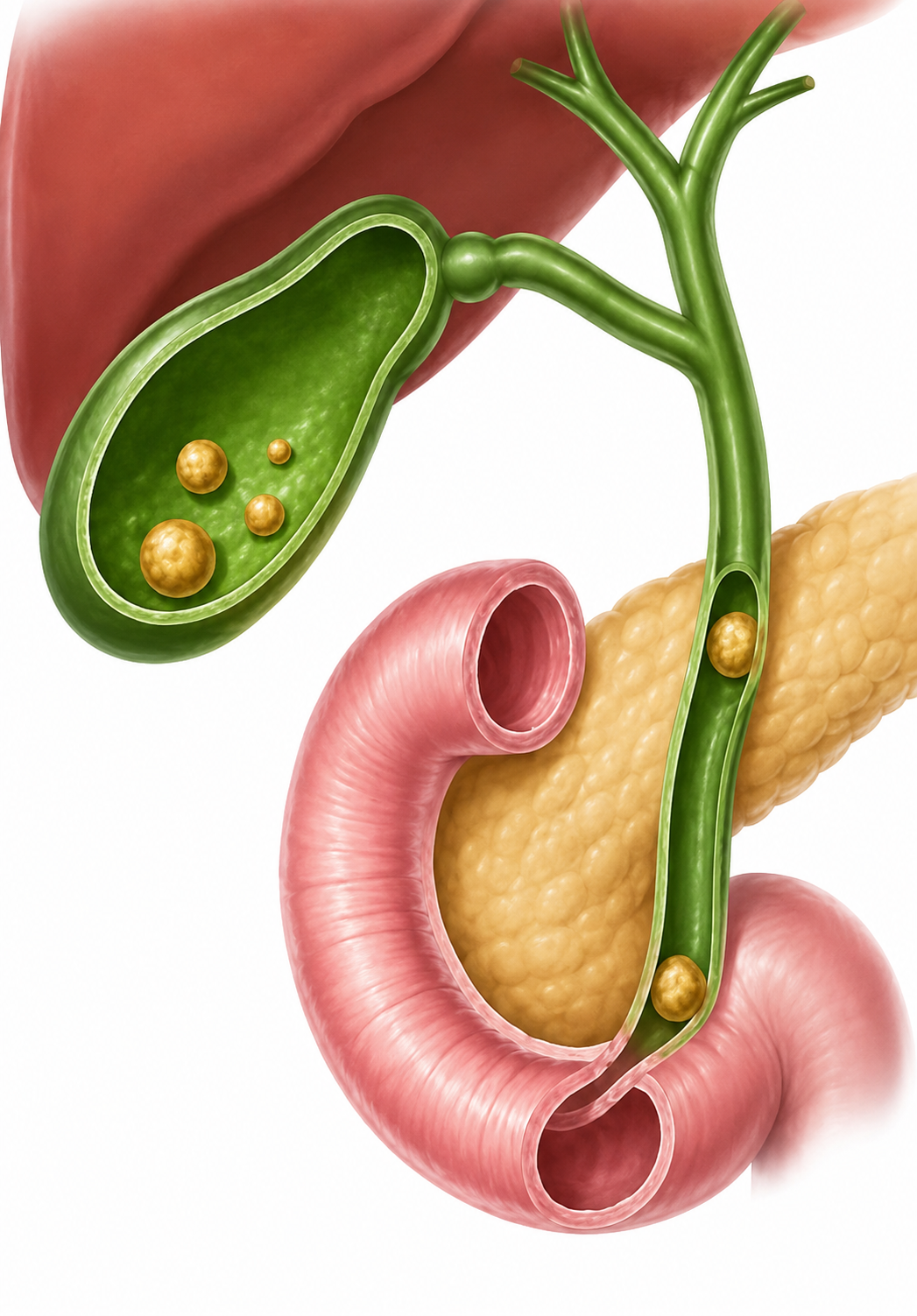 Bile Duct Stones
 Choledochal Cyst
 Acute Cholangitis