Gallstone Disease
Understanding Gallstones and Their Treatment
Gallstones are one of the most common digestive conditions and affect millions of people worldwide. While many gallstones never cause symptoms, others can lead to pain, infection, pancreatitis, or jaundice. This guide explains what gallstones are, how they are diagnosed, and when treatment is recommended.
Overview
What Are Gallstones?
The gallbladder is a small organ located beneath the liver. It stores bile, a digestive fluid produced by the liver that helps digest fats.
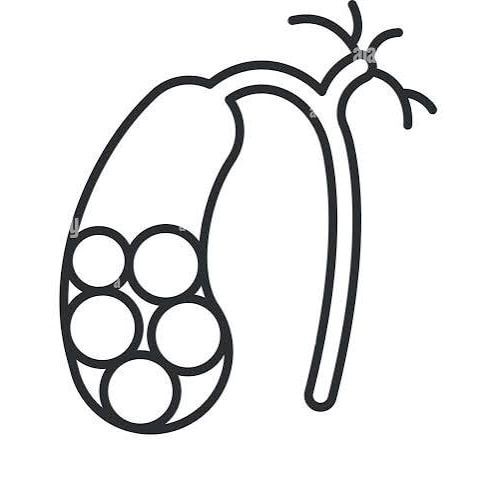
Gallstones are solid deposits that form inside the gallbladder when the components of bile become imbalanced.
Gallstones may range in size from tiny grains of sand to stones several centimeters in diameter.
Most gallstones remain harmless, but some block the bile ducts and cause serious complications.
Types
Types of Gallstones
Cholesterol Stones
The most common type. Usually yellow or green. Account for about 80% of gallstones.
Pigment Stones
Usually dark brown or black. More common in certain blood disorders, chronic liver disease, and infections.
Symptoms
Symptoms of Gallstone Disease
Many people with gallstones never develop symptoms. These are called silent gallstones and usually do not require treatment.
Complications
Possible Complications
Early specialist assessment significantly reduces the risk of these complications.
Acute Cholecystitis
Inflammation and infection of the gallbladder. Symptoms include severe pain, fever, and tenderness.
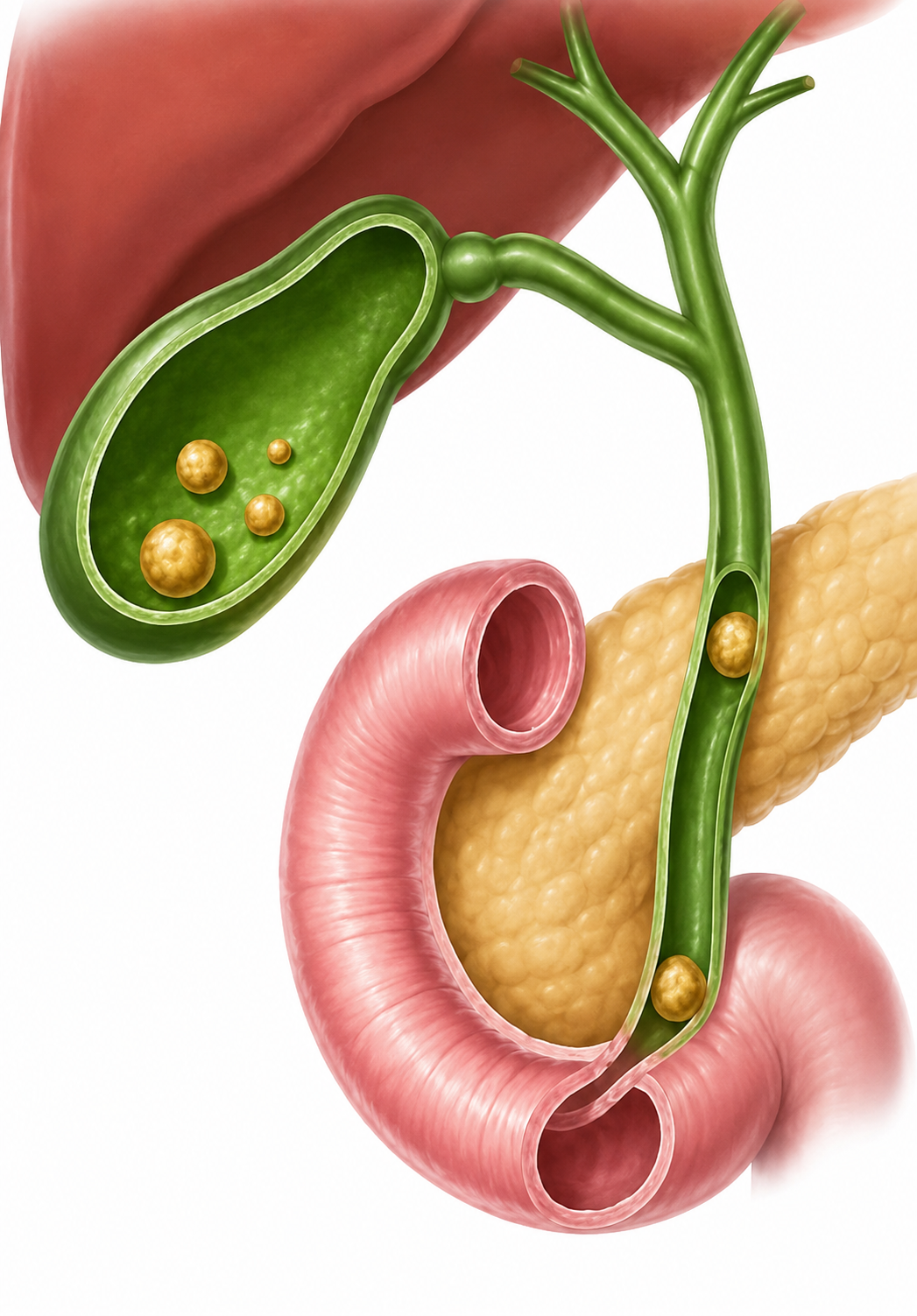
Common Bile Duct Stones
Gallstones may migrate into the bile duct, causing jaundice or infection.
Read more about Bile Duct Stones →Gallstone Pancreatitis
A gallstone may temporarily block the pancreatic duct, leading to inflammation of the pancreas.
Gallbladder Empyema
Severe infection with pus inside the gallbladder requiring urgent treatment.
Gallbladder Perforation
A rare but serious complication where the inflamed gallbladder develops a hole.
Risk Factors
Who Is at Risk?
Gallstones can also occur in younger individuals and even children.
Diagnosis
How Is Gallstone Disease Diagnosed?
Ultrasound is the first-line investigation because it accurately detects most gallstones.
Symptoms
Assessment of symptoms and medical history
Medical Examination
Abdominal examination and Murphy's sign assessment
Blood Tests
Liver function tests, pancreatic enzymes, full blood count
Ultrasound
The first-line investigation — accurately detects most gallstones
MRCP (if needed)
Magnetic resonance imaging of the bile and pancreatic ducts
CT Scan (selected patients)
Assessment of complications or unclear cases
Treatment Plan
Individualized decision based on symptoms and findings
When Is Treatment Needed?
Do You Need Treatment?
No Symptoms
Most patients do not require surgery.
Occasional Mild Symptoms
Assessment by a specialist is recommended.
Recurrent Pain
Surgery is usually recommended.
Complications
Urgent treatment may be required.
Treatment
Treatment Options
Treatment is individualized based on symptoms and the patient's overall health.
Observation
Appropriate for most asymptomatic patients.
Pain Relief
Temporary treatment during an acute attack.
Antibiotics
Used when infection is present.
Laparoscopic Cholecystectomy
The standard treatment for symptomatic gallstones. The gallbladder is removed through small incisions using minimally invasive surgery.
Robotic Cholecystectomy
May be suitable for selected patients depending on the clinical situation.
Open Surgery
Occasionally necessary in complex cases or severe inflammation.
Laparoscopic Surgery
Laparoscopic Gallbladder Surgery
Laparoscopic removal of the gallbladder is one of the most commonly performed operations worldwide. The liver continues to produce bile normally after gallbladder removal.
Benefits include:
Day of Surgery
What Happens on the Day of Surgery?
Knowing what to expect helps reduce anxiety and improves the overall patient experience.
Arrival at the Hospital
Registration and pre-operative preparation
Meeting the Surgical & Anaesthesia Teams
Final review and answering any questions
Laparoscopic Cholecystectomy
The operation usually takes 45–60 minutes
Recovery Room
Close monitoring after anaesthesia
Same-Day Discharge or Overnight Stay
Depending on clinical condition and surgeon's instructions
Follow-up Appointment
Post-operative review to assess recovery
Recovery
Recovery After Gallbladder Surgery
Most patients return to work within one to two weeks, depending on the nature of their job.
Preoperative Assessment
Pre-anaesthetic tests and checks
Operation
Laparoscopic cholecystectomy
Same-Day or Overnight Hospital Stay
Post-operative monitoring
Return Home
Rest and light diet
Light Activities
Walking and simple daily activities
Normal Activities
Most patients return to work within 1–2 weeks
Understanding the Condition
Understanding Gallstones
Do all gallstones require surgery?
No. Silent gallstones that do not cause symptoms usually do not require treatment.
Can medications dissolve gallstones?
Medications are rarely effective for most gallstones and are not routinely recommended.
Can gallstones come back after surgery?
No. Once the gallbladder is removed, gallstones cannot recur in the gallbladder. However, rarely, stones may form in the bile ducts later in life.
Can I live normally without a gallbladder?
Yes. The liver continues to produce bile, and most people return to a normal diet after recovery.
Can delaying surgery be dangerous?
Recurrent attacks can lead to serious complications such as acute cholecystitis, pancreatitis, or bile duct obstruction. Early treatment often prevents these complications.
FAQ
Frequently Asked Questions
Why Choose Us
Why Choose Prof. Walid Elmoghazy?
Senior Consultant in HPB Surgery
Academic and clinical expertise in liver, pancreas, and biliary surgery
Clinical Lead of Liver Surgery & Transplantation
Leadership in the most complex liver resection and transplantation procedures
International Fellowship Training
Specialized training in Japan, UK, Canada, and France
1,000+ Major HPB Procedures
Extensive experience in liver, pancreas, and biliary surgery
Specialist Gallbladder Surgery
Expertise in laparoscopic, robotic, and complex gallbladder surgery
Bile Duct Injury Management
Advanced management of difficult gallstone disease and bile duct injuries
Second Opinion
Request a Second Opinion
If you have been diagnosed with gallstones or advised to undergo gallbladder surgery, an expert second opinion can help confirm the diagnosis and determine the most appropriate treatment.
Suffering from Gallbladder Pain?
Gallstone disease is highly treatable, and minimally invasive surgery offers excellent outcomes for most patients with symptoms. If you are experiencing recurrent attacks or have been advised to undergo surgery, we are here to help.
 Bile Duct Stones
 Mirizzi Syndrome
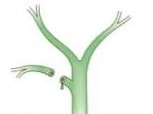 Bile Duct Injury
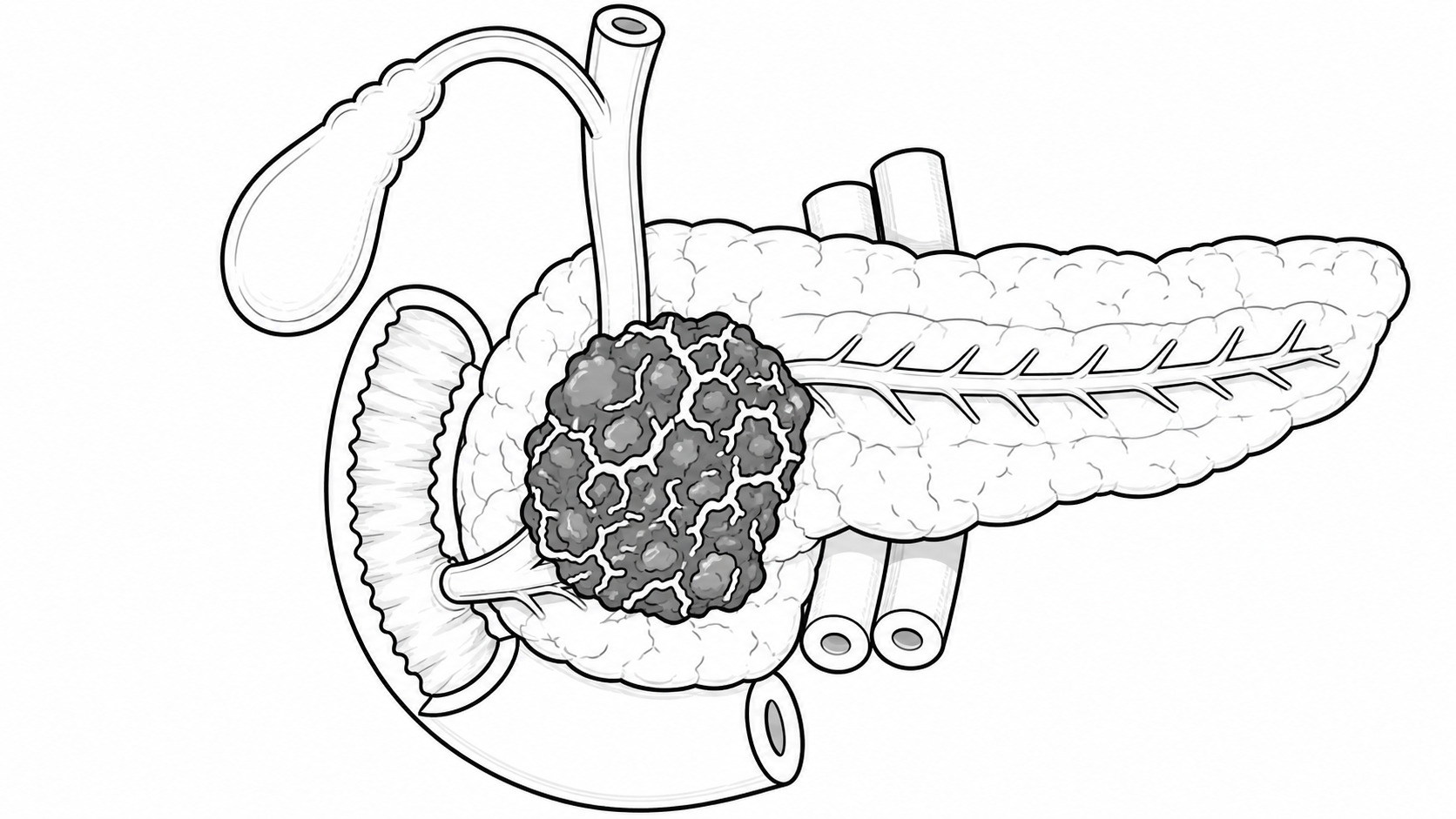 Pancreatic Cancer