
 Conditions We Treat
Liver Cancer
Understanding Your Diagnosis and Treatment Options
A diagnosis of liver cancer can be overwhelming. Modern surgical techniques and multidisciplinary care allow many patients to be treated successfully, especially when diagnosed early.
Overview
What is Liver Cancer?
The liver is one of the most important organs in the body. It filters blood, produces bile, stores energy, and performs hundreds of essential metabolic functions.
Liver cancer develops when cells within the liver begin to grow uncontrollably and form a tumor.
The most common primary liver cancer is hepatocellular carcinoma (HCC).
Symptoms
Symptoms of Liver Cancer
Many patients with early liver cancer have no symptoms. Regular screening is essential for patients with known risk factors.
Risk Factors
Causes and Risk Factors
Diagnosis
How is Liver Cancer Diagnosed?
Many patients do not require a biopsy because CT and MRI can accurately diagnose liver cancer based on characteristic imaging features.
Patient Evaluation
Medical history review and clinical examination
Blood Tests
Liver function tests and tumor markers (AFP)
Ultrasound
Initial liver screening
CT Scan
Detailed imaging of tumor and vascular anatomy
MRI
Precise characterization of liver lesions
Tumor Board Review
Multidisciplinary team case discussion
Personalized Treatment Plan
Individualized decision for each patient

Treatment
Treatment Options
Treatment is individualized for every patient based on tumor size, location, liver function, and overall health.
Observation
For very small tumors or patients unfit for intervention
Liver Resection
Surgical removal of the liver segment containing the tumor
Liver Transplantation
Replacing the diseased liver with a healthy donor liver
Ablation
Destroying the tumor using heat or cold energy
Interventional Radiology
TACE, RFA, and other vascular procedures
Targeted Therapy
Drugs that specifically target cancer cell pathways
Immunotherapy
Boosting the immune system to fight cancer
Chemotherapy
Used in select cases in coordination with oncology

Surgery
When is Surgery Recommended?
Surgery offers the best chance of cure for liver cancer when the following conditions are met:
Surgical Techniques
Liver Surgery
Liver surgery may be performed using one of the following approaches, selected based on tumor characteristics and patient condition:
Open Surgery
For large or complex tumors requiring wide access
Laparoscopic Surgery
Minimally invasive with small incisions and faster recovery
Robotic Surgery
Enhanced precision using the latest robotic surgical systems
Recovery
Your Recovery Journey
Recovery varies depending on the extent of surgery and the patient's overall health.
Before Surgery
Pre-operative assessment and patient preparation
Hospital Admission
Day before or day of surgery
Operation
Typically 2–6 hours depending on extent of resection
Hospital Recovery
Usually 5–7 days in hospital
Home Recovery
4–6 weeks to return to normal activities
Follow-up
Regular scans and blood tests to monitor response
FAQ
Frequently Asked Questions
Why Choose Us
Why Choose Prof. Walid Elmoghazy?
Senior Consultant in HPB Surgery
Academic and clinical expertise in liver, pancreas, and biliary surgery
Clinical Lead of Liver Surgery & Transplantation
Leadership in the most complex liver operations and transplantation
International Fellowship Training
Specialized training in Japan, UK, Canada, and France
1,000+ Major HPB Procedures
Extensive experience across a wide range of complex hepatobiliary cases
Open, Laparoscopic & Robotic Surgery
Full mastery of all modern liver surgery techniques
Multidisciplinary Cancer Care
Collaboration with oncology, radiology, and hepatology teams
Second Opinion
Request a Second Opinion
If you have recently been diagnosed with liver cancer or advised to undergo surgery, you may request an expert second opinion. Patients can securely upload their medical files.
Ready to Discuss Your Treatment?
Whether you have been newly diagnosed or would like a second opinion, Prof. Walid Elmoghazy provides individualized evaluation and evidence-based treatment for liver tumors.
 Liver Metastases
 Liver Cysts
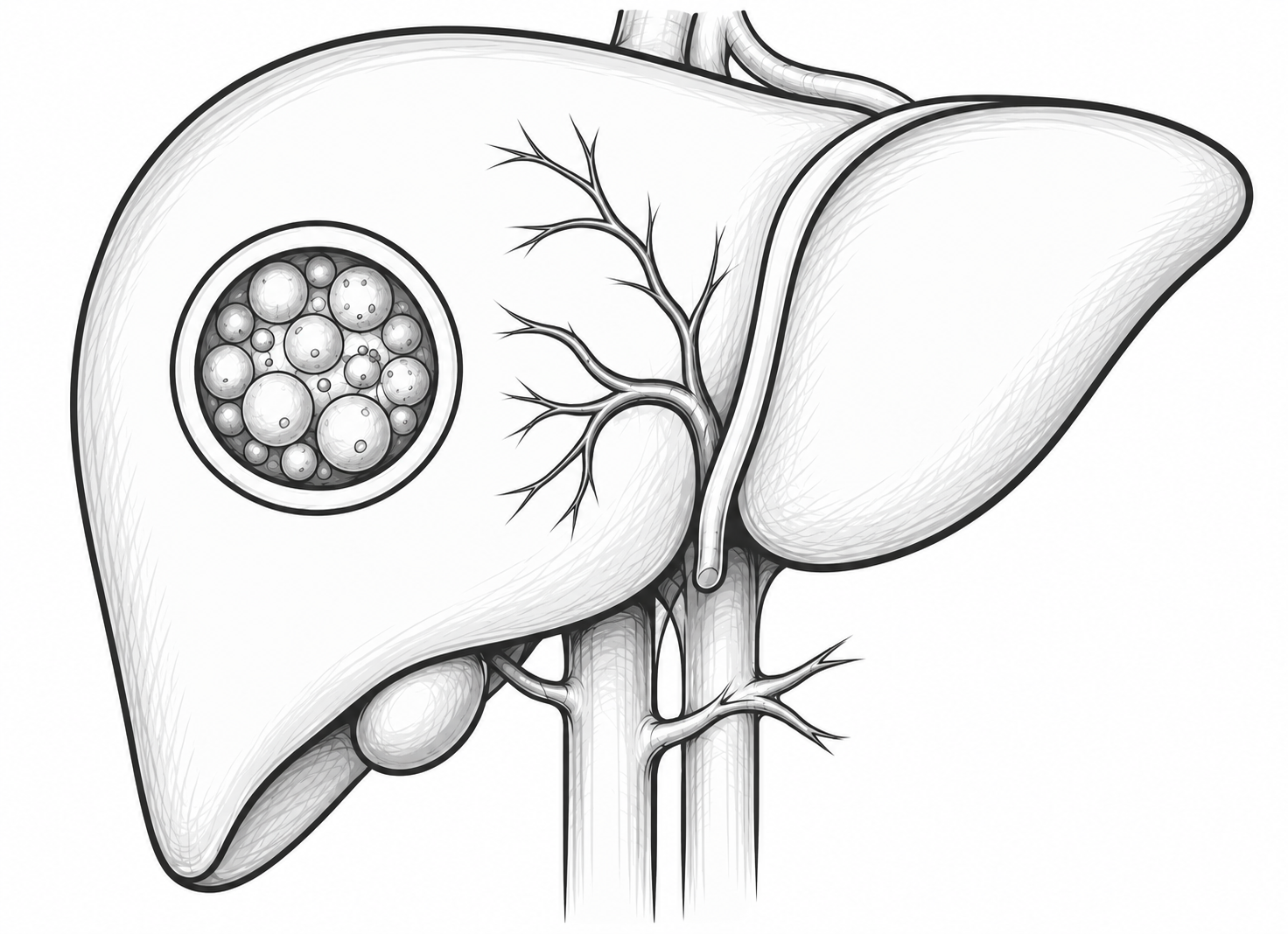 Hydatid Liver Cyst
 Pancreatic Cancer
 Gallstones