 Conditions We Treat
Pancreatic Cancer
Understanding Your Diagnosis and Treatment Options
A diagnosis of pancreatic cancer can be overwhelming. Advances in surgery, chemotherapy, and multidisciplinary cancer care have significantly improved treatment options for many patients. This guide explains pancreatic cancer, how it is diagnosed, and the treatments available.
Overview
What is Pancreatic Cancer?
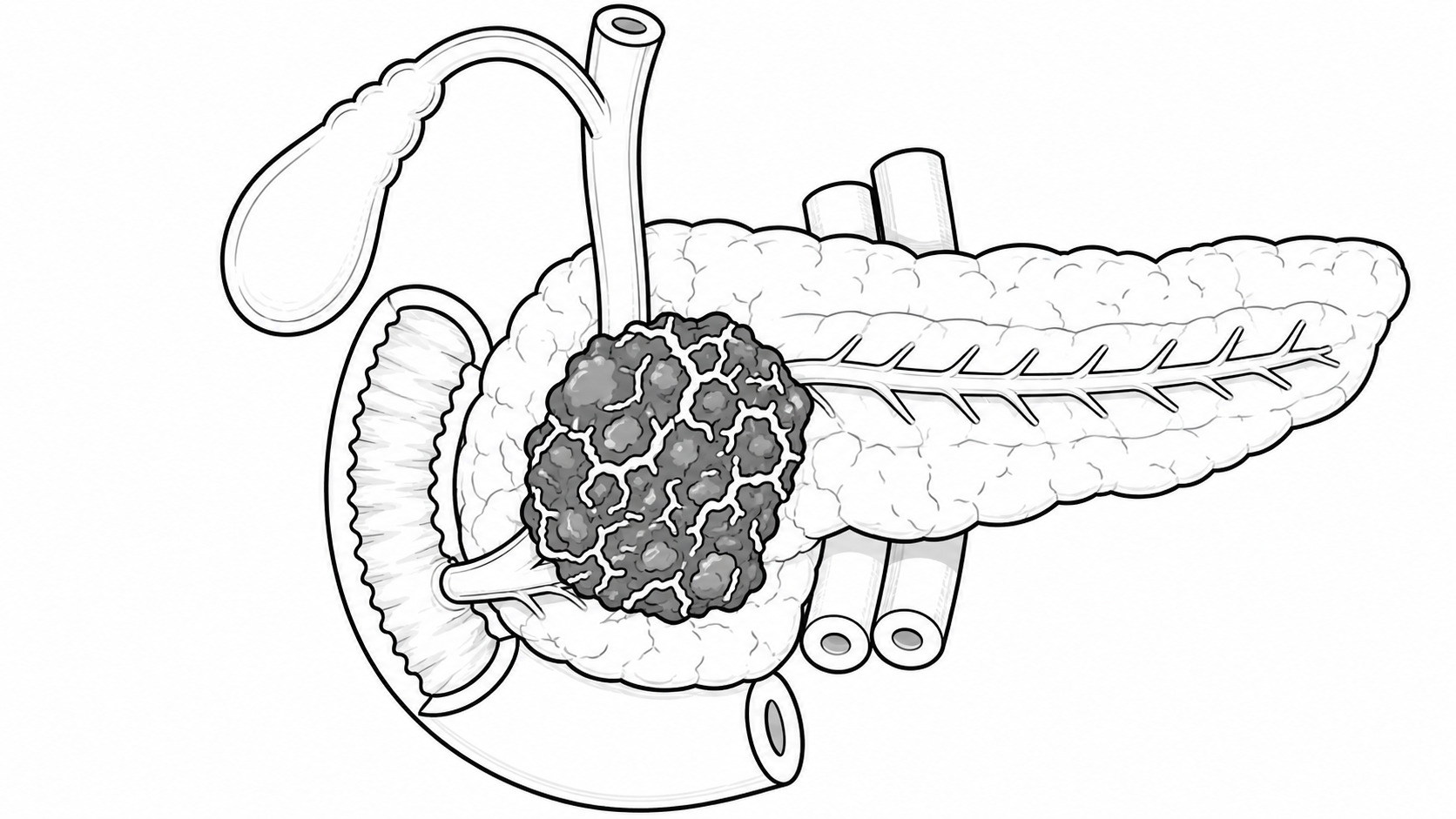
The pancreas is an organ located deep within the abdomen behind the stomach. It produces digestive enzymes that help break down food and hormones such as insulin that regulate blood sugar.
Pancreatic cancer develops when abnormal cells grow uncontrollably within the pancreas and form a malignant tumor.
Most common type:
Less common tumors include:
Symptoms
Symptoms of Pancreatic Cancer
Early pancreatic cancer often causes few or no symptoms, making early diagnosis difficult. Patients with known risk factors are advised to undergo regular surveillance.
Risk Factors
Causes and Risk Factors
Having a risk factor does not necessarily mean a person will develop pancreatic cancer. Individuals at elevated risk are advised to discuss surveillance programs with their physician.
Diagnosis
How is Pancreatic Cancer Diagnosed?
Diagnosis is based on imaging and, in many cases, tissue confirmation obtained through endoscopic ultrasound-guided biopsy.
Symptoms
Symptom assessment and medical history review
Blood Tests
Liver function tests and tumor markers (CA 19-9)
Contrast CT Scan
Primary imaging to define the tumor and vascular anatomy
MRI
Precise evaluation of biliary and pancreatic ducts
Endoscopic Ultrasound (EUS)
High-resolution imaging and guided biopsy when needed
Biopsy (when required)
Tissue confirmation of diagnosis
Multidisciplinary Team Discussion
Collective expert case review
Personalized Treatment Plan
Individualized decision for each patient
Staging
Understanding the Stage of Pancreatic Cancer
Treatment depends on tumor size, involvement of nearby blood vessels, lymph node involvement, spread to other organs, patient fitness, and response to chemotherapy.
Resectable
Tumor is localized and can be completely removed surgically
Borderline Resectable
Tumor contacts adjacent blood vessels and requires careful evaluation
Locally Advanced
Tumor surrounds major vessels without distant spread
Metastatic
Cancer has spread to distant organs such as the liver or lungs
Treatment
Treatment Options
Treatment is individualized for every patient. Treatment decisions are made by multidisciplinary teams after careful review of each case.
Surgery
The only treatment with curative intent for suitable patients
Chemotherapy
Often given before or after surgery to improve outcomes
Radiation Therapy
Used in selected patients in coordination with oncology
Endoscopic Treatment
Relieves jaundice using biliary stents
Palliative Care
Focused on symptom relief and quality of life
Surgery
When is Surgery Recommended?
Surgery offers the best chance of long-term survival for pancreatic cancer when the following conditions are met:
Surgical Procedures
Pancreatic Surgery
The type of surgery is selected based on tumor location, size, and patient condition. Minimally invasive laparoscopic or robotic approaches may be appropriate for selected patients.
Whipple Procedure (Pancreaticoduodenectomy)
Performed for tumors in the head of the pancreas. Involves removal of the pancreatic head, duodenum, gallbladder, and part of the bile duct, followed by reconstruction of the digestive tract.
Distal Pancreatectomy
Removal of the body and tail of the pancreas, often together with the spleen.
Total Pancreatectomy
Removal of the entire pancreas in selected situations.
Recovery
Recovery After Pancreatic Surgery
Recovery depends on the type of surgery and the patient's individual health.
Preoperative Assessment
Comprehensive tests and patient preparation for surgery
Operation
Typically 4–8 hours depending on the type of resection
Hospital Recovery
Usually 7–10 days in hospital
Home Recovery
4–8 weeks to return to daily activities
Return to Daily Activities
Gradual return based on surgery type and health status
Long-Term Follow-up
Regular scans and blood tests to monitor response
Understanding the Disease
Understanding Pancreatic Cancer
Answers to common concerns raised by patients and their families.
Does every pancreatic mass mean cancer?
No. Some pancreatic lesions are benign or precancerous. Accurate evaluation with imaging and biopsy is essential to distinguish between them.
Is pancreatic cancer always inoperable?
No. Many patients are candidates for surgery, especially when diagnosed before the disease has spread.
Can chemotherapy be given before surgery?
Yes. In selected patients, preoperative (neoadjuvant) chemotherapy improves outcomes and increases the likelihood of complete tumor removal.
Should every patient have surgery immediately?
Not necessarily. The best treatment sequence is determined by a multidisciplinary team after reviewing imaging, biopsy results, and the patient's overall health.
FAQ
Frequently Asked Questions
Why Choose Us
Why Choose Prof. Walid Elmoghazy?
Senior Consultant in HPB Surgery
Academic and clinical expertise in liver, pancreas, and biliary surgery
Clinical Lead of Liver Surgery & Transplantation
Leadership in the most complex pancreatic and liver operations
International Fellowship Training
Specialized training in Japan, UK, Canada, and France
1,000+ Major HPB Procedures
Extensive experience in Whipple procedures, distal pancreatectomy, and complex pancreatic surgery
Laparoscopic & Robotic Surgery
Full mastery of minimally invasive pancreatic surgery techniques
Multidisciplinary Cancer Care
Collaboration with oncology, radiology, and gastroenterology teams
Second Opinion
Request a Second Opinion
If you have been diagnosed with pancreatic cancer or advised to undergo surgery, an expert second opinion can help confirm your diagnosis and treatment plan. Patients may securely upload their medical files.
Ready to Discuss Your Treatment?
Whether you have been recently diagnosed or are seeking a second opinion, Prof. Walid Elmoghazy provides personalized, evidence-based care for pancreatic cancer using modern surgical techniques and multidisciplinary treatment planning.
 Pancreatic Cysts
 Liver Metastases
 Liver Cancer
 Gallstone Disease
 Bile Duct Stones