Mirizzi Syndrome
Understanding a Rare Complication of Gallstone Disease
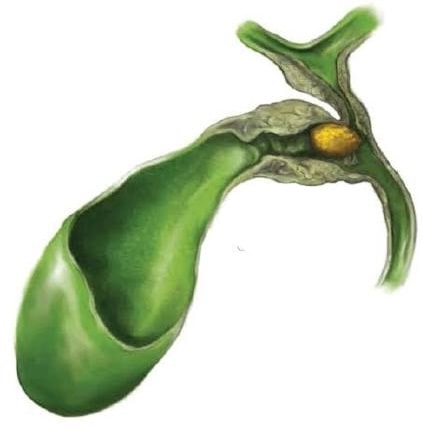
Mirizzi syndrome is an uncommon complication of gallstones in which a stone becomes trapped in the neck of the gallbladder or cystic duct, causing compression or erosion of the nearby bile duct. It may lead to jaundice, infection, and inflammation, and often requires specialized surgical treatment.
Mirizzi syndrome is not just "difficult gallstones." It is a complex condition that often requires advanced hepatobiliary expertise to avoid bile duct injury and achieve the best outcome.
Overview
What Is Mirizzi Syndrome?
The gallbladder lies next to the common hepatic duct, which carries bile from the liver to the intestine.
In Mirizzi syndrome, a gallstone becomes lodged in the gallbladder neck or cystic duct and causes prolonged inflammation.
Over time, this can:
Unlike ordinary gallstones, Mirizzi syndrome often involves significant inflammation around the bile duct, making surgery more complex.
Classification
Types of Mirizzi Syndrome — Csendes Classification
Treatment depends on the type and severity of the disease.
Type I
External compression of the common hepatic duct by an impacted stone.
Type II
Small fistula between the gallbladder and bile duct.
Type III
Larger fistula involving up to two-thirds of the bile duct wall.
Type IV
Complete destruction of the bile duct wall with a wide communication.
Type V
Mirizzi syndrome associated with a fistula between the gallbladder and the intestine.
Symptoms
Symptoms of Mirizzi Syndrome
Because Mirizzi syndrome resembles other biliary diseases, diagnosis may be difficult without specialized imaging.
Complications
Possible Complications
Obstructive Jaundice
Compression of the bile duct prevents normal bile drainage.
Acute Cholangitis
Infection of the bile ducts requiring urgent treatment.
Bile Duct Injury
Severe inflammation increases the risk of bile duct injury during surgery if the condition is not recognized beforehand.
Cholecystocholedochal Fistula
An abnormal communication may develop between the gallbladder and bile duct.
Gallstone Pancreatitis
Occasionally, stones may also contribute to pancreatitis.
Diagnosis
How Is Mirizzi Syndrome Diagnosed?
MRCP and ERCP are particularly valuable because they define the anatomy of the bile ducts before surgery.
Symptoms
Assessment of symptoms and medical history
Medical Examination
Abdominal examination and jaundice assessment
Blood Tests
Liver function tests, inflammatory markers, pancreatic enzymes
Ultrasound
Initial detection of gallstones and bile duct dilatation
MRCP
Magnetic resonance cholangiopancreatography — preferred study to define biliary anatomy
CT Scan (selected patients)
Assessment of surrounding inflammation and adjacent structures
ERCP (when indicated)
Relieve obstruction and place a temporary stent before surgery
Review by Hepatobiliary Surgeon
Specialist assessment to determine type and treatment plan
Treatment Plan
Personalised surgical plan
Treatment
Treatment Options
Antibiotics
Used when infection is present.
ERCP
May relieve obstruction or place a temporary stent before surgery.
Laparoscopic Surgery
Possible in carefully selected patients with early disease and experienced surgical teams.
Open Surgery
Often recommended in advanced Mirizzi syndrome because severe inflammation and distorted anatomy increase the complexity of the operation.
Bile Duct Reconstruction
Required when the bile duct has been significantly damaged or a large fistula is present.
Surgical Indications
When Is Surgery Recommended?
Surgery is the definitive treatment in most patients. The operation depends on:
Early referral to an HPB surgeon can reduce the risk of complications.
Surgical Steps
Surgical Treatment
Preserving the bile duct and restoring normal bile flow are the main goals of surgery.
Gallbladder with impacted stone
Identification of the stone and assessment of inflammation
Careful dissection
Meticulous dissection to avoid bile duct injury
Gallbladder removal
Removal of the diseased gallbladder
Stone extraction
Removal of the impacted stone
Bile duct repair or reconstruction (when necessary)
Restoring normal bile flow
Why Early Recognition Matters
Why Mirizzi Syndrome Should Be Recognized Before Surgery
Specialized preoperative imaging and management by an experienced hepatobiliary surgeon are critically important.
Routine Gallbladder Surgery
Mirizzi Syndrome
Recovery
Recovery After Surgery
Recovery depends on the severity of the disease and whether bile duct reconstruction was required.
Diagnosis
Confirmation of syndrome type and preoperative assessment
Preoperative Assessment
Blood tests, cardiac assessment, anaesthetic review
Operation
Excision and reconstruction when required
Hospital Recovery
Post-operative monitoring, typically 3–7 days
Home Recovery
Gradual return to activity
Follow-up
Regular monitoring of liver function and biliary health
Understanding the Condition
Understanding Mirizzi Syndrome
Is Mirizzi syndrome simply another type of gallstone?
No. It is a rare complication in which an impacted gallstone causes prolonged inflammation and compression or erosion of the bile duct.
Why is surgery more difficult?
Chronic inflammation can distort the normal anatomy around the bile duct, increasing the technical complexity of surgery and the risk of bile duct injury if the condition is not recognized.
Can ERCP cure Mirizzi syndrome?
ERCP can relieve obstruction and may be used before surgery, but it does not remove the diseased gallbladder. Surgery is usually required for definitive treatment.
Can minimally invasive surgery be performed?
In selected patients, laparoscopic surgery may be appropriate. However, some patients require open surgery because of severe inflammation or bile duct involvement.
What happens if the bile duct is affected?
If a fistula or significant bile duct damage is present, reconstruction of the bile duct may be required to restore normal bile drainage.
FAQ
Frequently Asked Questions
Why Choose Us
Why Choose Prof. Walid Elmoghazy?
Senior Consultant in HPB Surgery
Academic and clinical expertise in liver, pancreas, and biliary surgery
Clinical Lead of Liver Surgery & Transplantation
Leadership in the most complex liver resection and transplantation procedures
International Fellowship Training
Specialised training in Japan, UK, Canada, and France
1,000+ Major HPB Procedures
Extensive experience in liver, pancreas, and biliary surgery
Complex Biliary Reconstruction
Expertise in complex gallbladder disease and biliary reconstruction
Laparoscopic & Open Surgery
Advanced laparoscopic and open hepatobiliary surgery
Multidisciplinary Approach
Multidisciplinary management of complex biliary disorders
Second Opinion
Request a Second Opinion
If you have been diagnosed with Mirizzi syndrome or advised to undergo difficult gallbladder surgery, an expert second opinion can help determine the safest treatment approach.
Have You Been Diagnosed with Mirizzi Syndrome?
Because Mirizzi syndrome alters the normal anatomy of the bile ducts, treatment should be carefully planned. Specialized hepatobiliary surgery can reduce the risk of complications and restore normal bile flow.
 Gallstone Disease
 Bile Duct Stones
 Bile Duct Injury
 Choledochal Cyst
 Acute Cholangitis